



From make to mission, 𝒕𝒉𝒆 𝒃𝒓𝒂𝒏𝒅 𝒕𝒉𝒂𝒕 𝒂𝒄𝒕𝒖𝒂𝒍𝒍𝒚 𝒈𝒊𝒗𝒆𝒔 𝒂 𝒅𝒂𝒎𝒏.
More than a slogan, 𝘪𝘵'𝘴 𝘢 𝘱𝘳𝘰𝘮𝘪𝘴𝘦.
Happy Earth was born in open defiance of the toxic, exploitative fashion industry. Because we believe what you wear can be a radical act.
Seed-to-seam 𝒄𝒐𝒎𝒎𝒊𝒕𝒎𝒆𝒏𝒕.
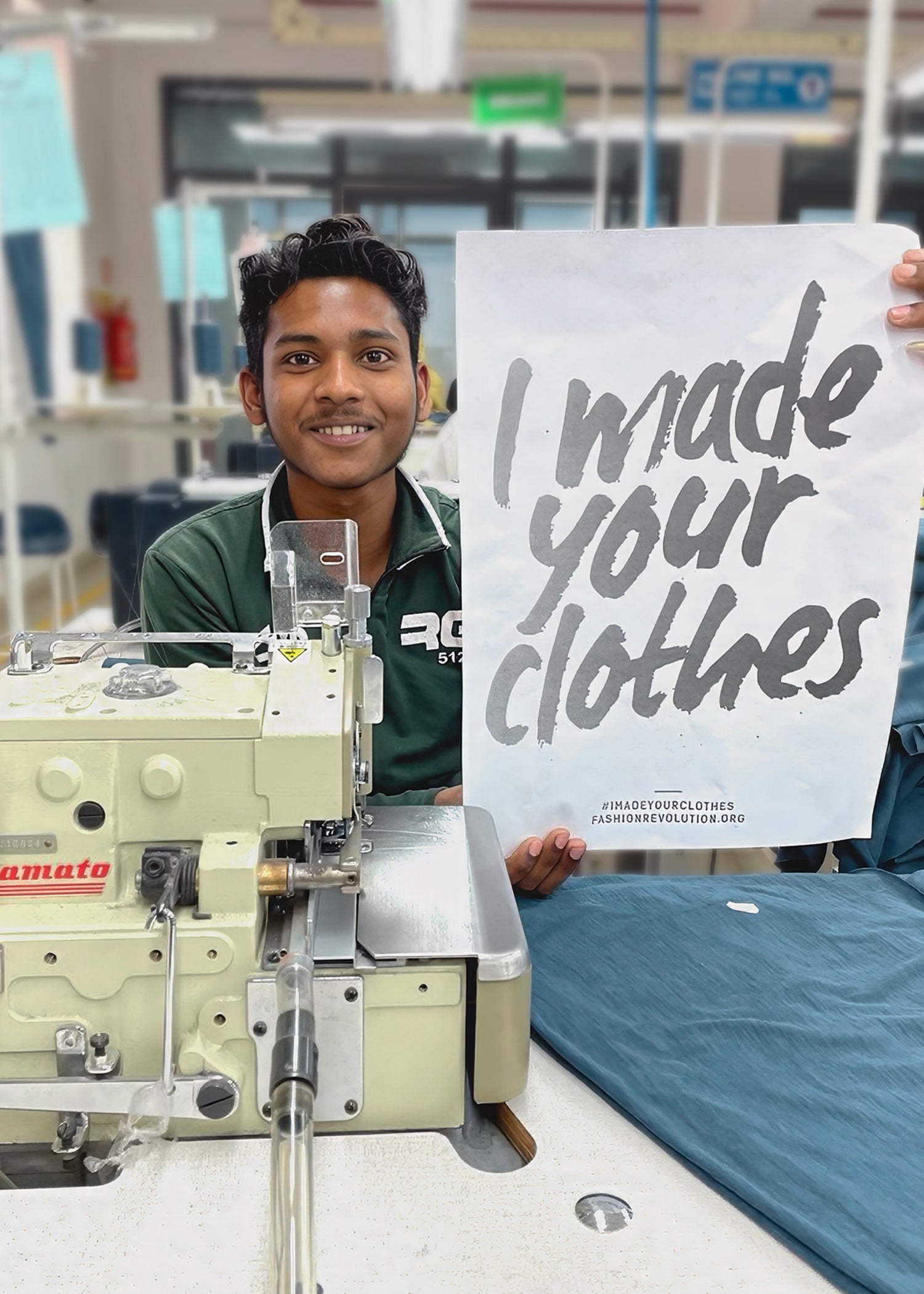
Good Wages
The people who make your clothes deserve more than minimum wage. We work exclusively with Fair Trade certified factories audited for safe conditions, fair pay, and worker dignity. Verified by the experts whose 𝘦𝘯𝘵𝘪𝘳𝘦 𝘫𝘰𝘣 is to know.

Ethical Factories
Every factory we work with is Fair Trade + GOTS certified. Happy Earth holds the highest "Great" rating from Good On You — an independent ethical brand directory that rates companies across people, planet, + animals based on verified practices, not marketing.
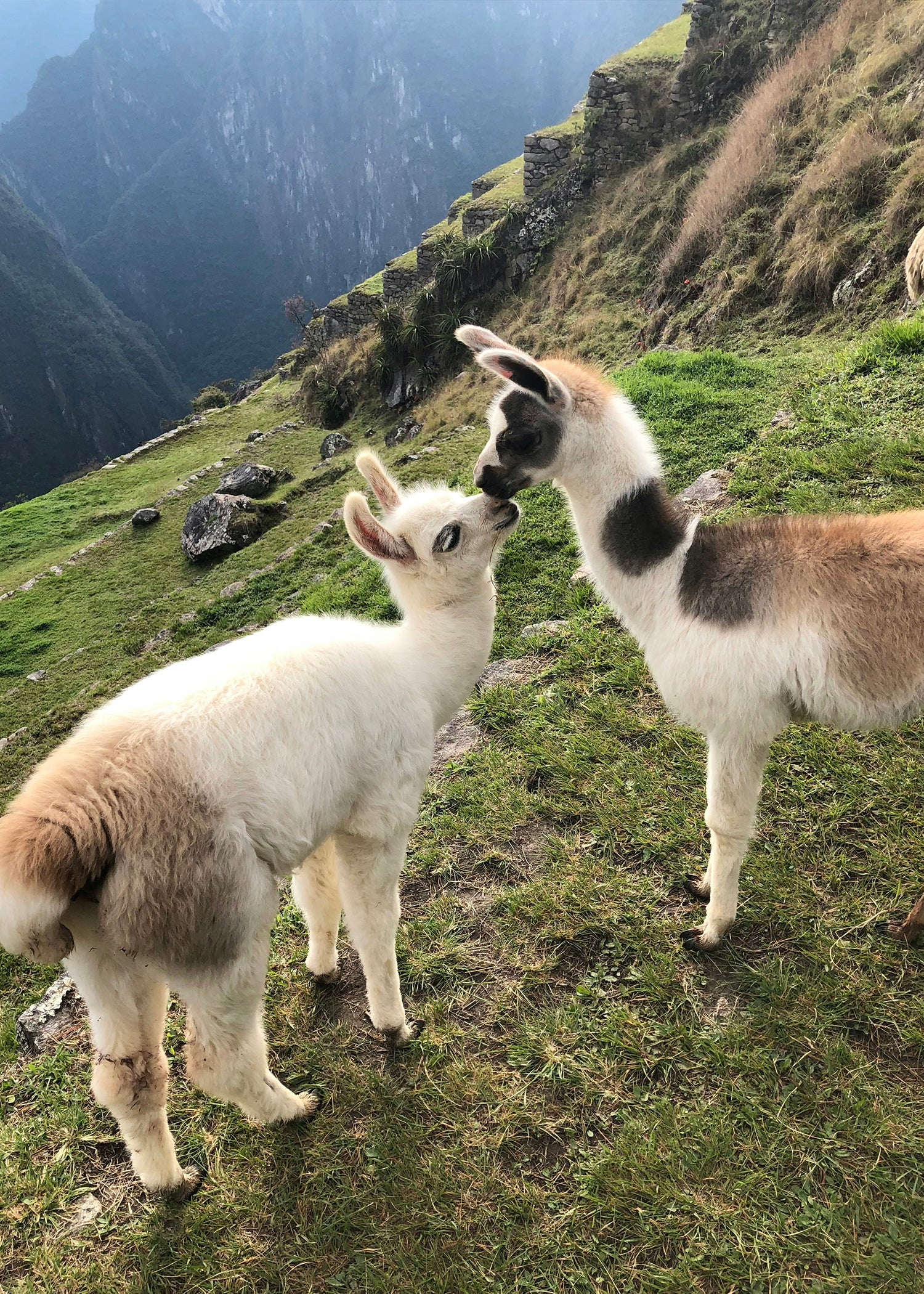
Vegan + Cruelty-free
We use no animal byproducts of any kind. And our commitment doesn't stop there. Organic practices mean no pesticide runoff poisoning local waterways, no chemical discharge harming surrounding ecosystems: cruelty-free in the garment and in the ground it came from.

No Private Equity
No hedge funds, no outside investors, no one with an aggressive quarterly return target waiting to cut corners on certifications or swap factories. Our independence is what keeps the mission intact.
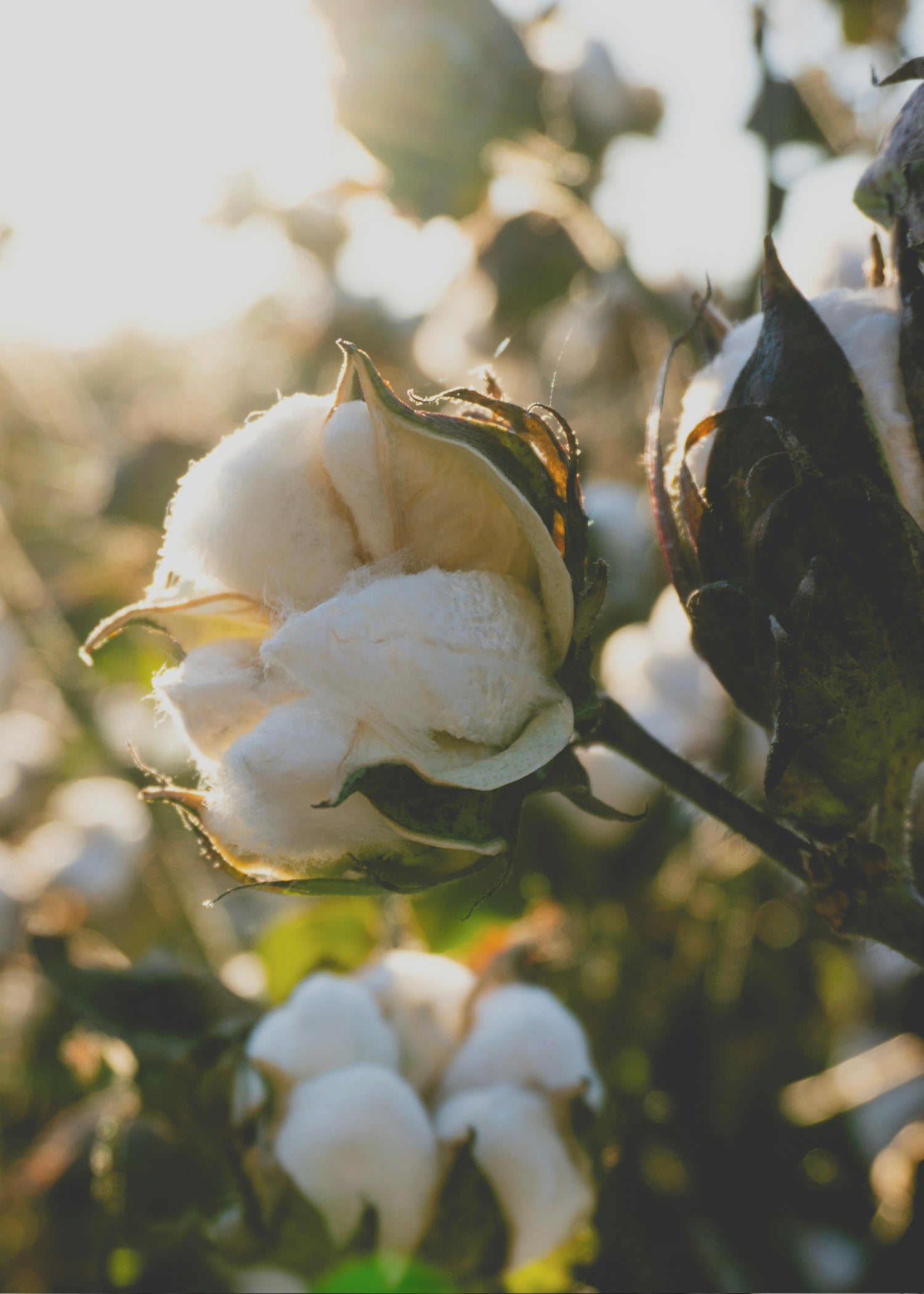
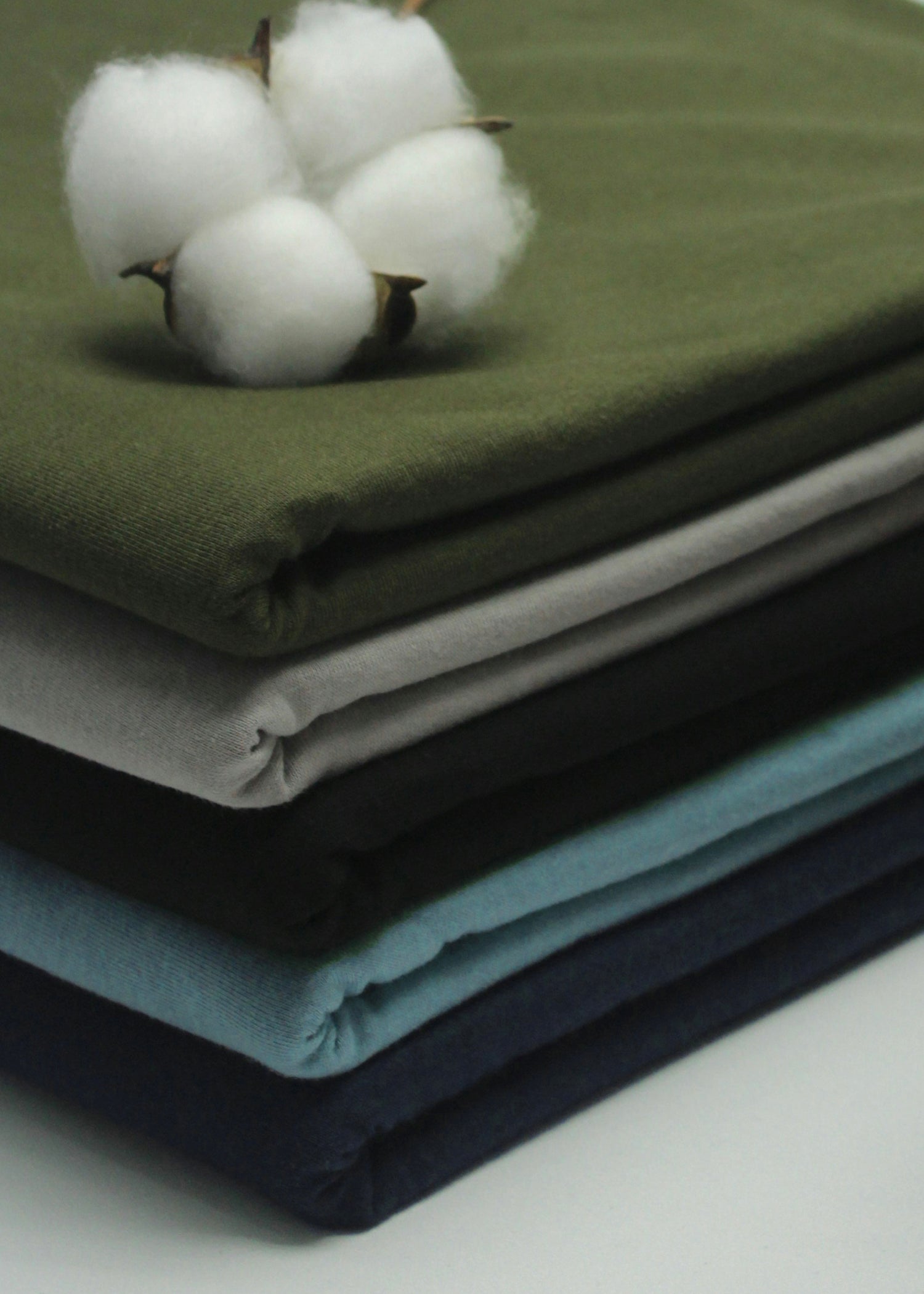
Organic Cotton
No synthetic pesticides, no toxic fertilizers, just naturally soft, breathable fibers. Grown where cotton has been cultivated natively for thousands of years, so the soil, water, and surrounding ecosystems stay intact.
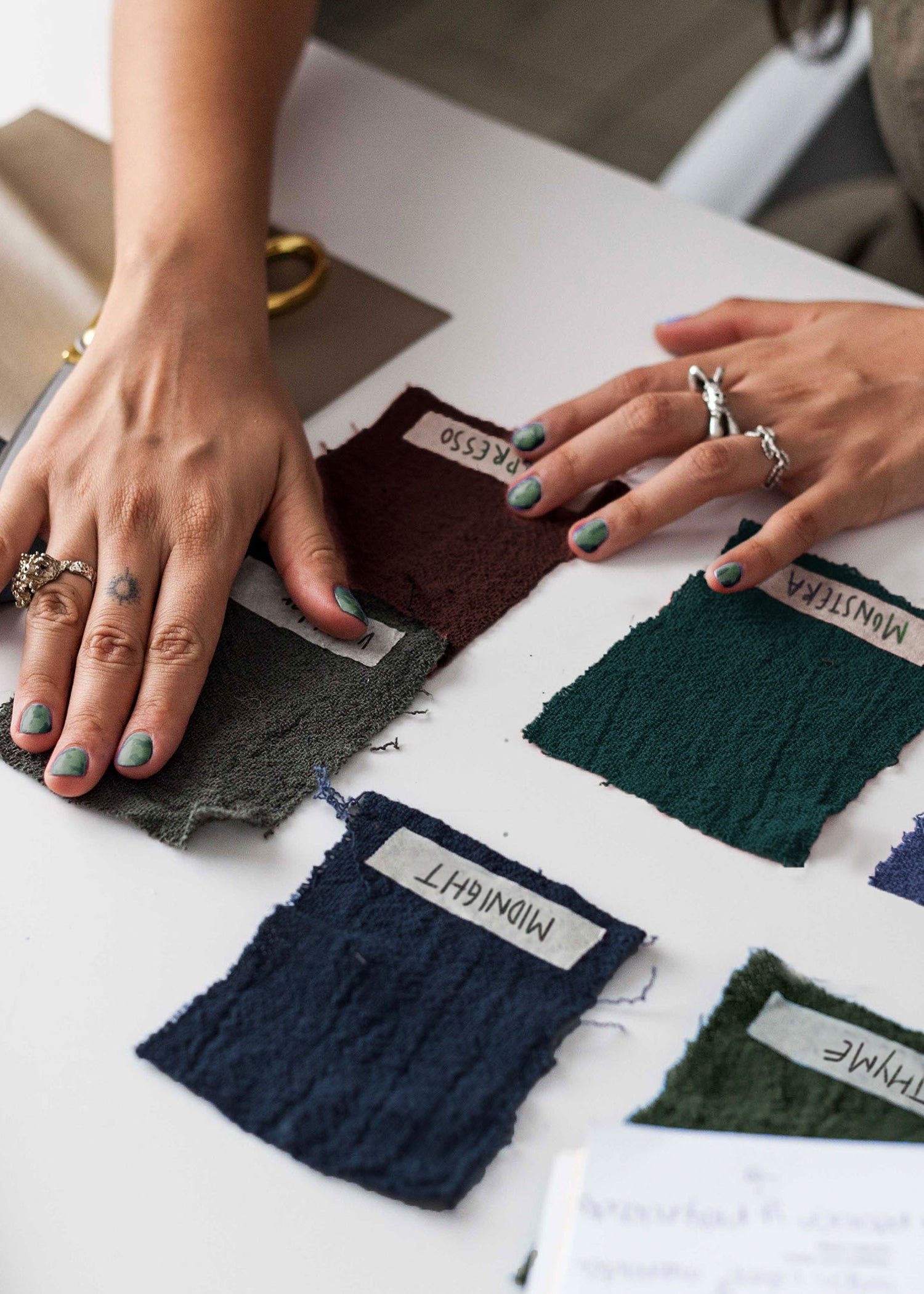
Nontoxic Dyes
Conventional dyes contain heavy metals and chemical compounds. Every Happy Earth garment is dyed using GOTS-certified dyes. Clean color, nothing hidden.

Clean Water
Organic cotton farming uses less water and leaves no chemical runoff. Our factory goes further — recycling 100% of its water on-site and recharging local groundwater through rainwater harvesting.
Waste Reduction
Our factory uses advanced cutting software to minimize fabric waste in production, and offcuts are recycled rather than discarded. Less waste, by design.
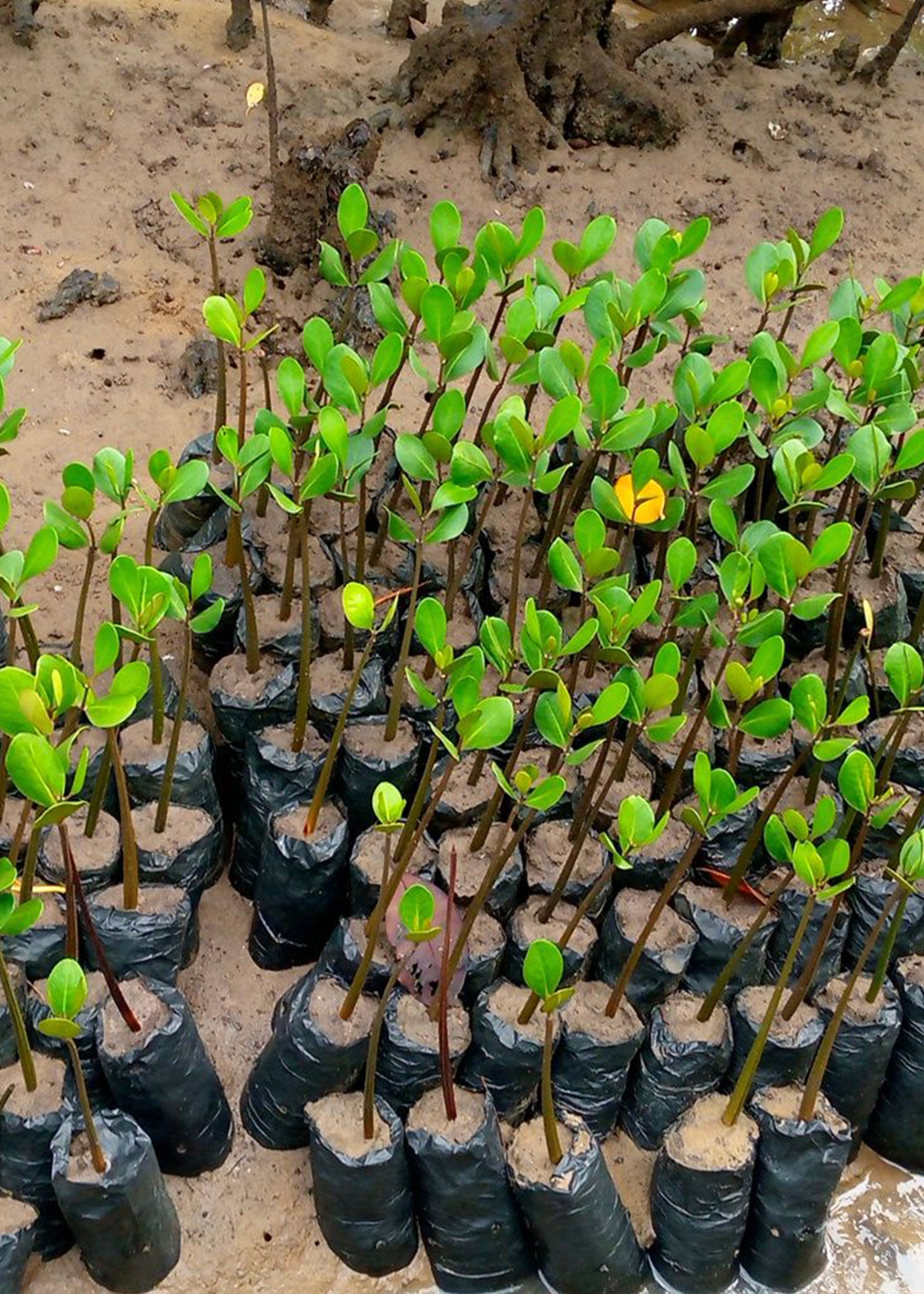
Gives Back
Every purchase funds environmental conservation efforts — and you choose where it goes. Planting trees, removing trash from rivers + oceans, and reducing GHG emissions.
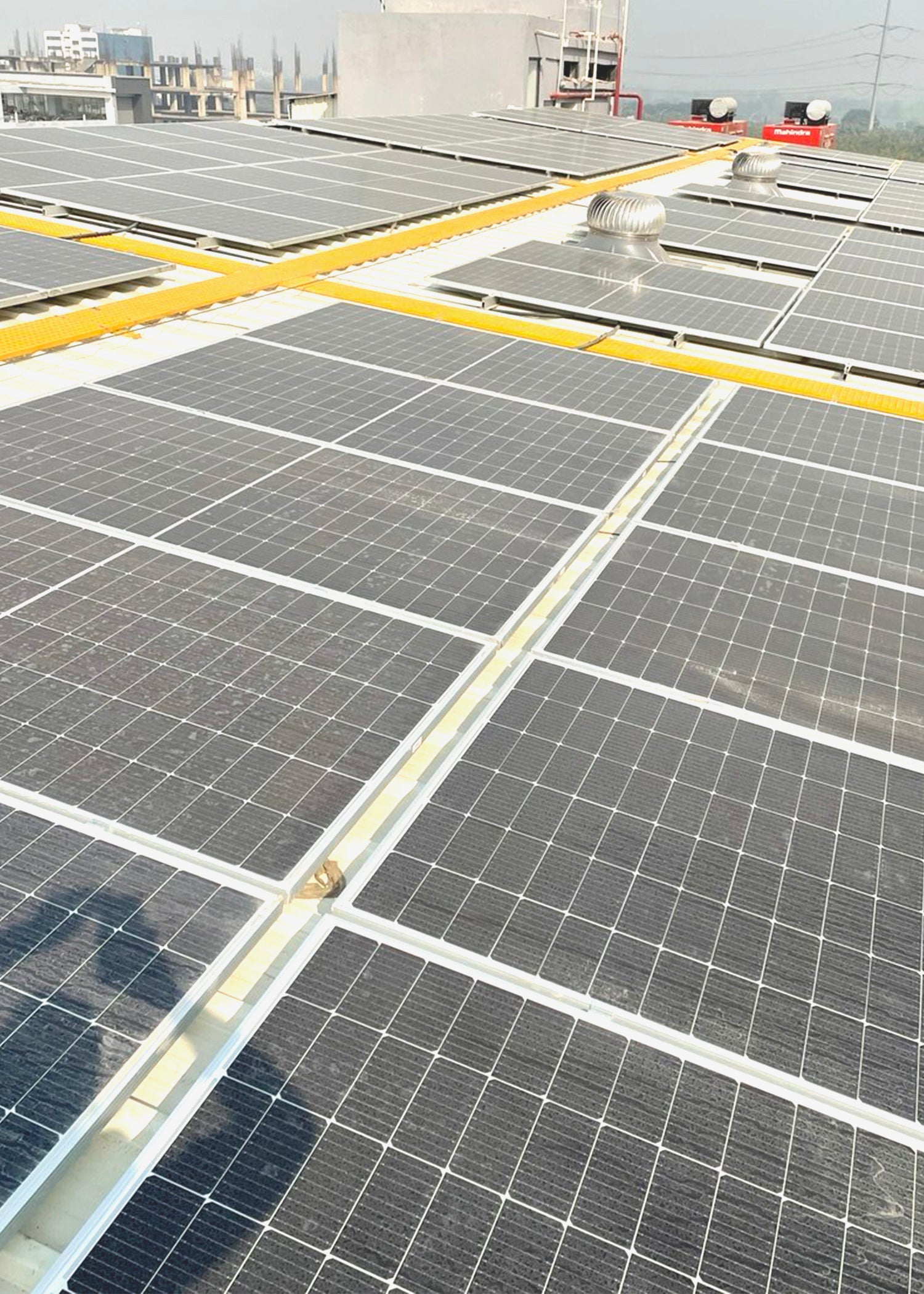
Solar-powered
Our factory gets the majority of its energy from solar, the rest comes from clean natural gas. Lower emissions, built into production from the start.

Carbon Neutral
We measure our full cradle-to-customer carbon footprint, offset 115% of our emissions, and we publish our work.
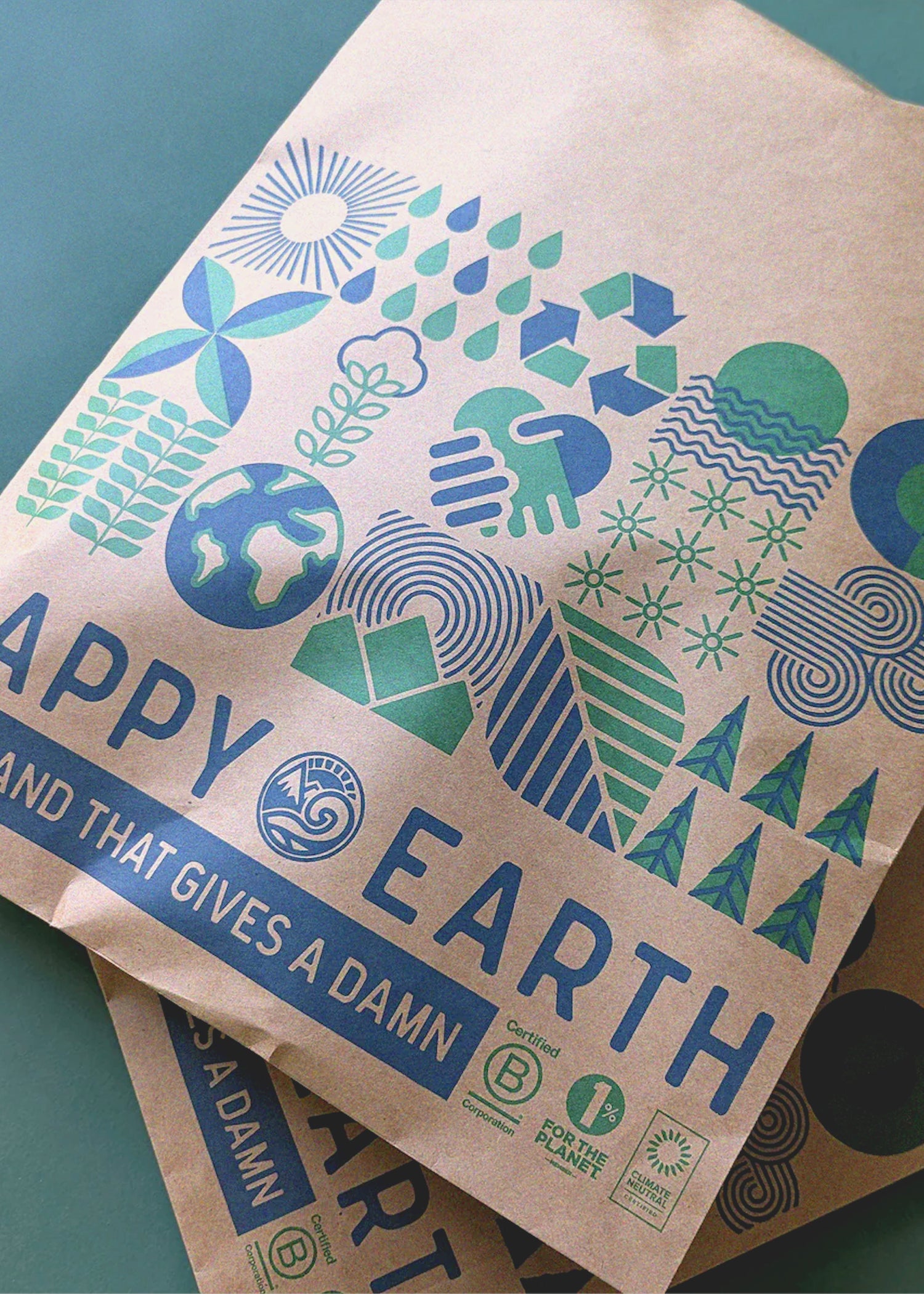
Plant-based Packaging
We're talking compostable, recyclable, reusable shipping bags, and product bags made from FSC-certified wood fibers — not plastic.
Verified by experts. 𝑵𝒐𝒕 𝒋𝒖𝒔𝒕 𝒃𝒚 𝒖𝒔.
We don't take this casually. Every claim we make is audited, verified, and certified by independent organizations, because as scientists, we know the difference between self-reporting and proof.
Certified B
Think of it as peer review for business. Every claim, every practice, every policy — subject to independent scrutiny, not self-assessment. It holds companies to the highest verified standards of social and environmental performance, not cherry-picked products or marketing claims. Anyone can say they care. B Corp certification proves it.
It's certifiably a big deal, less than 0.01% of companies qualify.
1% for the Planet
Founded on the premise that businesses profit from the natural world and therefore owe it something back. Not as charity, but as an obligation. Members commit at least 1% of total annual revenue to vetted nonprofits.
Every Happy Earth purchase funds environmental conservation directly, and the cause is yours to pick. Giving back should feel personal, connected to the places you love, the ecosystems you've explored, the world you want to exist. A real, chosen act of giving.
The Climate Label
Most carbon neutral claims in fashion are built on selective accounting. The Climate Label doesn't allow that. It requires full cradle-to-customer emissions measurement, verified financial investment in greenhouse gas reduction projects at scale, and a public reduction roadmap. It's reviewed + audited every single year by an independent panel of climate experts.
Not a claim. Not a credit. Actual investment in the low-carbon transition, with the receipts to prove it.
Global Organic Textile Standard
GOTS is the most rigorous certification in textile production, covering the entire supply chain from seed to finished garment — every input, every chemical, every facility, at every stage. No toxic heavy metals, no formaldehyde, no carcinogenic azo dyes, no PFAS, no chlorine bleaching, no synthetic microplastics.
Farming, spinning, dyeing, finishing, packaging. If it touches the garment, there's a standard for it.
Give me 𝒂𝒍𝒍 𝒕𝒉𝒆 𝒅𝒆𝒕𝒂𝒊𝒍𝒔.
Labor + Wages
The fashion industry touches an estimated 300 million lives across its global supply chain. Garment and textile workers — the people who actually cut and sew the clothes — generally earn half of what a living wage requires. Literally half of what it actually costs to survive with basic dignity (food, housing, healthcare, a modest buffer for emergencies).
We know exactly where our clothes are made. We didn't phone it in. We've actually been there. We've watched the fabric spun, seen the garments sewn, met the craftspeople working behind the scenes to bring our designs to life. And our assessment alone isn't enough. We work exclusively with Fair Trade and GOTS certified partners, independently audited by organizations whose entire mandate is supply chain accountability. Fair Trade requires factories to pay at or above legal minimums, work actively toward living wage benchmarks, and maintain safe, dignified conditions — verified through regular independent audits, not brand self-assessment. It's a low bar. And still one a vanishingly small number of factories and brands actually clear.
Happy Earth holds the highest "Great" rating from Good On You, an independent ethical brand directory that scores companies on people, planet, and animals using verified data, not take-our-word-for-it brand submissions. Read more about our supplier code of conduct here.
| Location | Noida, Uttar Pradesh, India |
| Employees | 436 garment workers |
| Certifications |
Fair Trade
GOTS
FLO-CERT
Sedex SMETA
|
| Wages | Living wages — exceeds minimum wage, independently audited through Fair Trade certification |
Fibers + Farming
Nearly 70% of all clothing is now made from synthetic plastic fibers — polyester, acrylic, nylon — petroleum-derived materials that shed microplastics into waterways with every wash, take centuries to break down, and are linked to endocrine disruption through dermal absorption. Laundry alone releases around half a million tonnes of plastic microfibers into the ocean every year — the equivalent of almost three billion polyester shirts.
Conventional cotton, the dominant natural fiber alternative, relies on some of the most toxic pesticides in agriculture — organophosphates and carbamates — linked to neurological damage, endocrine disruption, and cancer. These compounds leach into local waterways (which we drink), accumulate in soil (which grows what we eat), and endanger surrounding ecosystems (where we live). The effects are staggering. The regulations, few to none.
Every Happy Earth garment uses GOTS certified organic cotton — verified from field to finished product, sourced from farms in Madhya Pradesh, Maharashtra, Rajasthan, Gujarat, and Odisha, where cotton has grown natively for thousands of years. GOTS prohibits all synthetic pesticides and fertilizers, requiring natural alternatives instead — crop rotation, beneficial insects, composting, and biological pest controls — that protect soil health, preserve local water quality, and keep surrounding ecosystems intact. In climates naturally suited to cotton, less intervention is needed. The land stays healthy. So does everything living on it.
But the benefits don't stop at the farm. Organic cotton is naturally breathable, hypoallergenic, and free from the pesticide residues and chemical treatments that remain in conventionally grown fiber. It sits better on skin — especially sensitive skin — and without the synthetic coatings and fixatives most fabrics rely on, there's nothing between you and something genuinely clean.
Dyes + Chemicals
Textile dyeing is responsible for approximately 20% of global industrial water pollution. Conventional dyes frequently contain azo compounds that break down into carcinogenic amines, heavy metals including chromium, lead, and cadmium, and chemical fixatives classified as endocrine disruptors. These don't just enter waterways, they remain in finished garments, sitting against your skin every time you wear them.
Research documents dermal absorption of synthetic textile chemicals, with penetration rates increasing during physical activity — when skin temperature rises, pores open, and circulation increases. The clothes you work out in are the ones most likely to be working against you.
GOTS strictly prohibits toxic heavy metals, formaldehyde, aromatic solvents, functional nanoparticles, and carcinogenic azo dyes. Every dye and auxiliary used in processing must be individually approved before use. PFAS compounds, chlorine-based bleaching agents, and intentionally added synthetic microplastics are banned outright. Alkylphenol ethoxylates — surfactants widely used in conventional textile processing and linked to hormonal disruption — are prohibited across the board. In a conventional garment, any or all of these may be present. There is no requirement to disclose them. There is no requirement to test for them.
Every garment we make meets the GOTS standard, including our activewear line, where skin contact is most sustained and the stakes are highest. Victoria's background in cancer biology made this non-negotiable from the start. It still is.
Carbon + Climate
Here's what's already working. Our organic cotton carries a carbon emission factor of 5.9 kg CO₂e per kilogram compared to approximately 11.0 kg CO₂e per kilogram for conventional cotton, and significantly worse for synthetic fibers. That's a 43% reduction baked into the fiber itself, before any other measure applies. Our goods ship by sea, the lowest-emission mode of bulk freight by a significant margin. Our factory runs on 70% solar, with battery backup and zero grid draw, avoiding approximately 350,000 kg CO₂e annually compared to running on grid power. Our warehouse runs on renewable energy. These aren't offsets. They're structural decisions made at every stage of the supply chain.
But there's still a real carbon cost to what we make. Our 2025 Life Cycle Assessment, conducted to GHG Protocol standards, puts our total footprint at 549,496 kg CO₂e (raw materials represent 90% of total emissions). We don't bury that number. We analyze it, deliberate on how to perform better, and then offset it 115%. Not just 100%. 15% over.
We offset 115% of our verified emissions through Climate Label certified reduction projects — actual financial investment in the low-carbon transition, reviewed annually by independent climate experts. Our active reduction priorities include eliminating air freight entirely (our one air shipment in 2025 generated 38× the CO₂e of equivalent sea freight — oof) and increasing factory solar coverage toward 100%. The full methodology, data sources, and reduction roadmap are published. Not because we're required to, but because that's what transparency actually means.
Clean Water
Conventional cotton production requires approximately 10,000 liters of water per kilogram of fiber. Organic cotton, grown in climate-appropriate regions like ours, requires dramatically less (up to 91% less thanks to rainfed conditions). Zero pesticide or fertilizer runoff means local waterways stay uncontaminated. The water that leaves the field is as clean as the water that arrived.
Textile dyeing is one of the most water-intensive and polluting processes in manufacturing. In many producing regions, rivers near garment facilities run the color of whatever dye season is underway. Contaminated discharge isn't an accident, it's the business model.
Our factory goes further than most would think possible. 100% of production water is processed on-site through reverse osmosis and an Effluent Treatment Plant before being safely returned to the environment. A rainwater harvesting system actively recharges local groundwater. The water table around our factory is in better condition for us being there. That's an impressive win for a textile operation — and almost unheard of.
Packaging
An estimated 180 billion plastic poly-bags are used by the fashion industry annually — petroleum-derived, rarely accepted in curbside recycling streams, and persistent in the environment for up to 500 years. Packaging is one of the most visible choices a brand makes, and one of the most commonly traded away for cost.
Our individual product bags are made from 100% FSC-certified virgin wood fibers — the global certification for responsibly managed forests — not poly-bags. Shipping packaging is compostable, recyclable, and designed to be reused. From garment to box, plastic has no place in a Happy Earth order.
No Private Equity
There's a familiar pattern in this industry. A brand starts with a genuine mission — real values, real certifications, real care. They grow. They attract attention. An investor comes in with capital and a term sheet, and somewhere between the first board meeting and the third quarterly review, the certifications become "under review," the factory relationships change, the organic cotton gets blended with conventional, and the mission statement gets quietly reworded into something that sounds good but commits to nothing.
It has happened to brands people loved. It will keep happening. Because the moment you take money from someone whose goal is a return, you've introduced a force that will — eventually, inevitably — compete with your values. Private equity doesn't ruin companies by accident. It does it by design, optimizing for margin at every step until what's left is a logo and a vibe.
Happy Earth has never taken outside investment. No hedge funds, no private equity, no one with a spreadsheet and a quarterly return target. The clothes are not the point — they're the vehicle. The point is the planet, the people who make them, the communities they come from, and the ecosystems they celebrate. Staying self-funded is what keeps that true. It keeps us small. It keeps us accountable to the mission instead of a cap table. And we're genuinely okay with that. Because the alternative is becoming exactly what we built this brand in defiance of.
Giving Back
We give back to three campaign areas: forests (planting trees and restoring habitat), oceans and waterways (removing pollution and preventing new sources), and climate (funding renewables and emissions reduction). You choose where your purchase is directed, because giving back should feel connected to something real, not like a line item someone else decided on your behalf.
As 1% for the Planet members, we commit at least 1% of total annual revenue — not profit, revenue — to vetted environmental nonprofits. Third-party certified. Consistent whether it's a good year or a hard one. A structural commitment, not a discretionary one.
Always learning. 𝑨𝒍𝒘𝒂𝒚𝒔 𝒅𝒐𝒊𝒏𝒈 𝒃𝒆𝒕𝒕𝒆𝒓.
It's the scientists in us. We're never complacent. We're always questioning, always pushing for better. This page will change as we learn more and raise our own bar. The goal isn't to have a perfect page. It's to keep getting closer to a 𝘩𝘢𝘱𝘱𝘺 𝘦𝘢𝘳𝘵𝘩.